
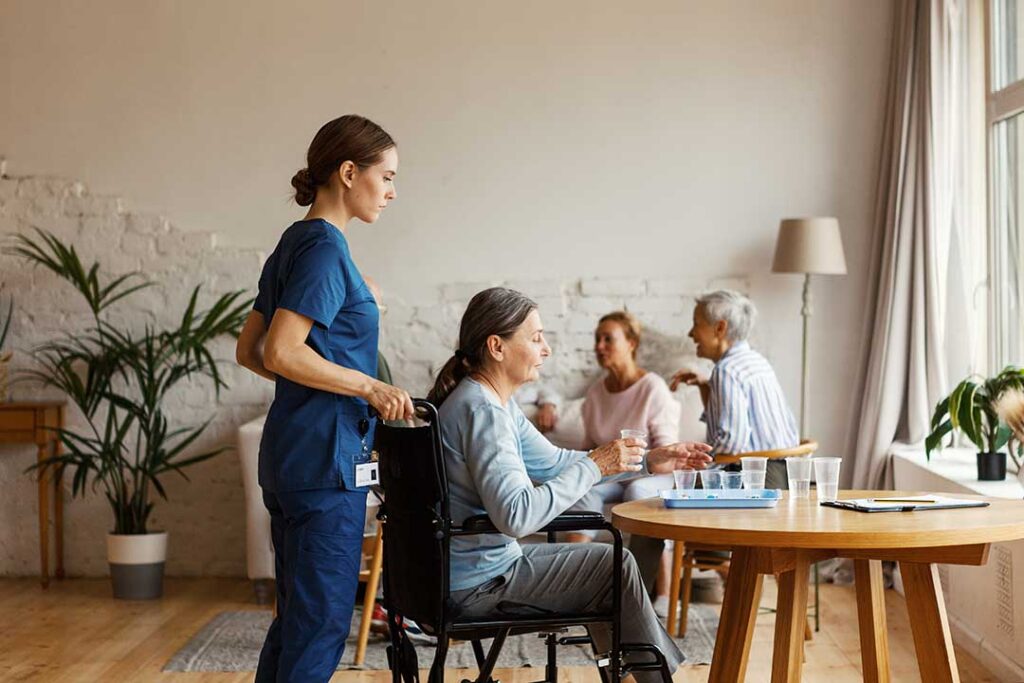
If you or a loved one are exploring senior care options in Scranton, Pennsylvania, the decision often comes down to two main choices: assisted living or a nursing home. While both provide support for older adults, they differ in their approach, amenities, and level of medical care. Understanding these differences—particularly as they relate to the unique lifestyle and community in Scranton—can help you make an informed, compassionate choice.
Understanding Assisted Living
Assisted living communities are designed for seniors who value their independence but may need some help with daily tasks such as bathing, dressing, or medication management. Residents typically live in private or semi-private apartments, and they have access to a variety of services, such as housekeeping, dining, and recreational programs.
Key Features of Assisted Living:
- Focus on independence and social engagement
- Personalized support with daily activities
- Access to community amenities (cafes, libraries, gardens)
- Medication reminders and light healthcare oversight
- Social and recreational events, often involving Scranton-based outings or activities, like trips to Nay Aug Park or the Steamtown National Historic Site
Assisted living in Scranton reflects the city’s community-oriented spirit: many facilities collaborate with local organizations, host visits from students at the University of Scranton, or offer outings to regional events, so residents remain engaged with the city’s vibrant culture.
Understanding Nursing Homes
Nursing homes, often referred to as skilled nursing facilities, provide a higher level of medical care. They are best suited for those who require 24/7 supervision or have complex medical needs—such as chronic illness, post-surgical recovery, or memory care.
Key Features of Nursing Homes:
- 24/7 skilled nursing care and medical monitoring
- Assistance with all daily living activities
- Rehabilitation services (physical, occupational, speech therapy)
- Structured routines for meals and medications
- Secure memory care units for residents with dementia
Nursing homes in Scranton prioritize comprehensive medical services, often partnering with local healthcare providers like Geisinger Community Medical Center. They also strive to create a homelike environment, but their primary focus is safety and health, making them the right choice for seniors needing continuous medical supervision.
Comparing Assisted Living and Nursing Homes
When weighing your options in the Scranton area, consider the following distinctions:
Level of Care
- Assisted living is appropriate for those who want independence but need help with everyday tasks.
- Nursing homes are designed for individuals with significant medical needs or who require rehabilitation and constant care.
Lifestyle and Activities
- Assisted living: More social and active lifestyle, with events and outings tailored to Scranton’s lively community. Residents might attend Scranton/Wilkes-Barre RailRiders baseball games, visit Montage Mountain, or participate in local cultural festivals.
- Nursing homes: Offer recreational activities, but these tend to be structured around resident safety and ability. Outings may be limited, but on-site events bring elements of Scranton’s community into the facility.
Cost and Insurance
- Assisted living: Costs can vary, but are generally not covered by Medicare or Medicaid, making private pay, long-term care insurance, or state assistance programs necessary. In Pennsylvania, the Aging Waiver program may offer some financial relief.
- Nursing homes: More expensive due to intensive care, but Medicare, Medicaid, and private insurance will often help cover stays, especially following hospitalization.
Accommodations
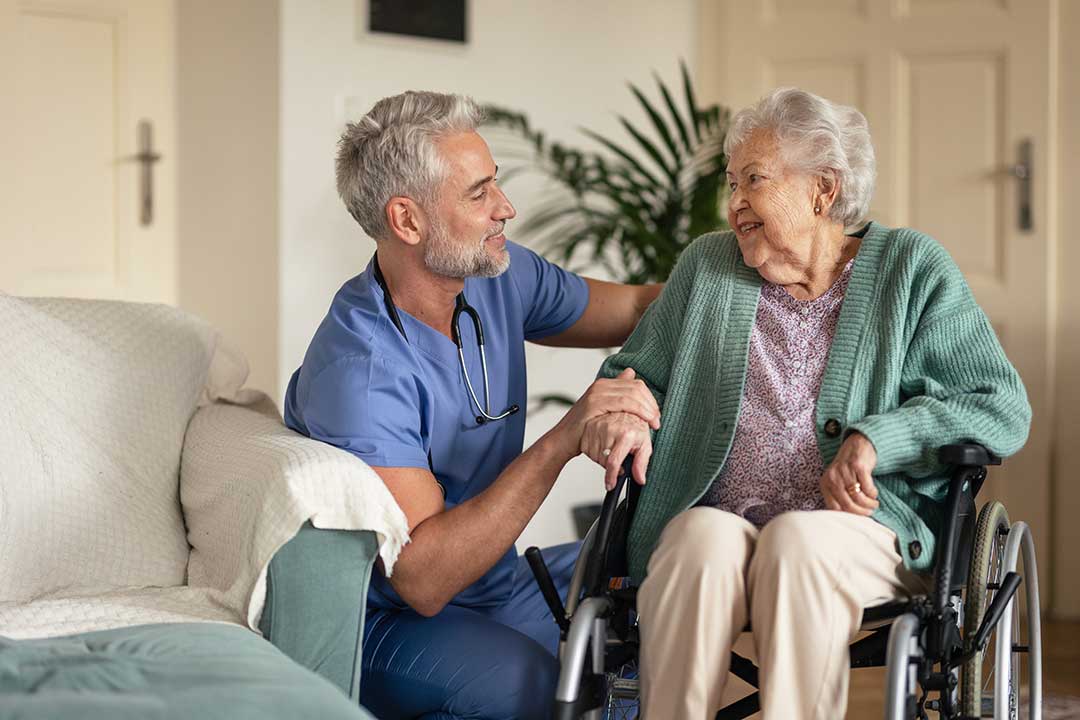
- Assisted living: Apartment or suite-style living, which fosters more independence.
- Nursing homes: Private or semi-private rooms focused on accessibility and constant supervision.
What’s Right for You or Your Loved One?
In Scranton, the choice often depends on the individual’s health, preferences, and the support needed. Here are a few questions to consider:
- Can the individual manage most daily tasks independently or with minimal help?
- Is there a need for ongoing medical attention or physical therapy?
- How important is it to remain socially active and involved in the local community?
- What financial resources are available for care?
If your loved one enjoys Scranton’s green parks, community events, and values their freedom, assisted living might offer the best balance of care and independence. If medical needs outweigh the ability to participate in daily activities, a nursing home can provide the necessary skilled care in a safe setting.
Scranton-Specific Considerations
Scranton’s close-knit community, rich history, and the variety of seasonal events make it an ideal city for seniors who desire engagement and connection. Local assisted living communities often organize group visits to cultural spots like the Lackawanna Coal Mine Tour or the historic Electric City Trolley Museum—fostering a sense of local pride and belonging.
However, proximity to major hospitals and round-the-clock nursing care can give peace of mind to families whose loved ones face significant health challenges. The region’s well-developed healthcare infrastructure ensures nursing home residents have swift access to advanced medical services.
Conclusion
Choosing between assisted living and a nursing home is a personal decision best made with careful consideration of both needs and local opportunities. Scranton, PA, offers a warm, welcoming environment in both settings, enabling seniors to live safely, with dignity, and with continued connection to the community.
Whether you’re seeking vibrant, independent living with a side of local flavor or comprehensive medical support, you’ll find Scranton has options to suit every requirement. Take the time to visit local facilities, talk with staff, and envision the best possible quality of life for yourself or your loved one.
