
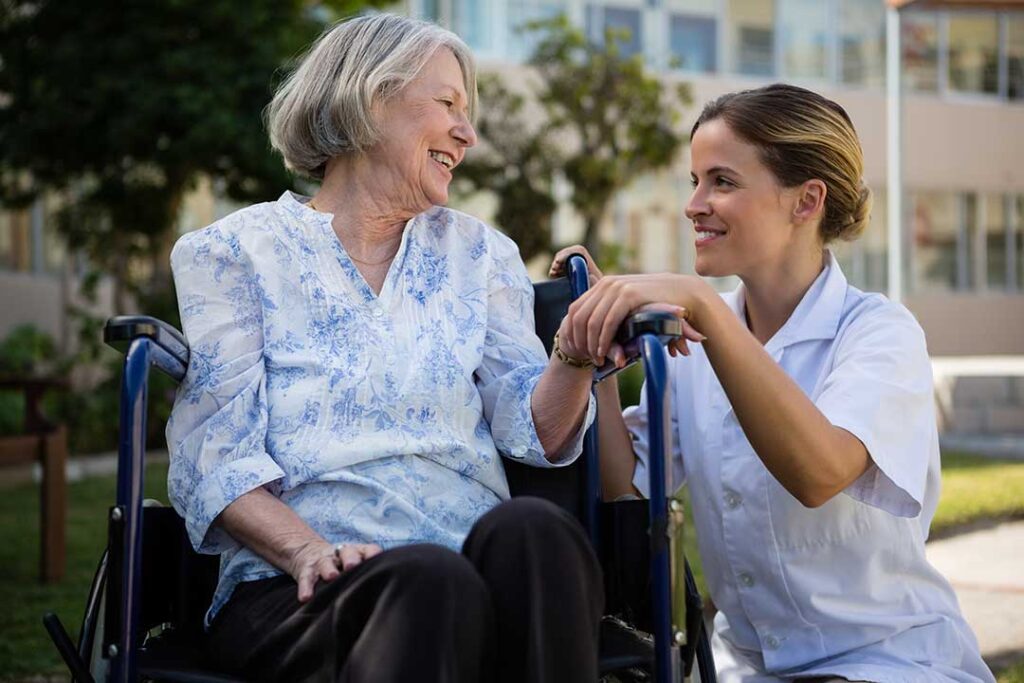
How Does Assisted Living Foster Social Interaction?
Assisted living communities in Scranton, PA provide an environment where social connection is built into daily routines. Residents often find that the design of these communities—with common dining areas, group activity spaces, and shared outdoor spaces—naturally encourages regular interaction with neighbors. Instead of depending on sporadic visits from family or friends, residents have daily opportunities to meet others, share meals, and engage in group activities. This structure can ease feelings of isolation, especially during long winters when it’s harder to get out independently.
What Makes Social Connections in Assisted Living Different from Living Alone?
Living alone in Scranton can sometimes lead to reduced social contact, particularly for older adults with limited mobility or who no longer drive. Assisted living arrangements address this by scheduling group events, such as coffee socials, live music performances, exercise classes, or movie nights. These planned activities make it easy for residents to participate at their comfort level, removing the barriers of transportation, weather, or lack of available companions.
Additionally, staff members are often present during activities to encourage involvement or offer gentle companionship to anyone less outgoing. This level of support helps residents build and maintain meaningful relationships.
Are Social Activities Optional? What If Residents Prefer Their Privacy?
Participation in group life is always voluntary, and respecting personal boundaries is a key principle in Scranton’s assisted living settings. Residents are free to choose when to join and when to spend time privately in their apartments. Most communities offer a mix of quiet zones—such as reading rooms or gardens—and lively spaces, giving individuals the flexibility to match their social activity to their own preferences each day.
Some residents choose to get involved only in occasional events, while others thrive as “regulars” at group gatherings. Staff recognize and honor these differences, checking in with less visible residents without pressuring them to participate.
How Do Seasons and Local Climate Affect Social Engagement?
The seasonal cycles in Scranton shape how social life happens in assisted living communities, especially given the region’s cold, snowy winters and pleasant summers. During harsh weather, on-site activities become more important because residents are less likely to travel offsite. Indoor gatherings—such as trivia games, arts and crafts workshops, or holiday parties—keep spirits lifted and prevent the kind of isolation that sometimes comes with winter weather in the city.
In mild seasons, patios, courtyards, and walking paths give residents a chance to socialize outdoors, enjoy fresh air, and connect over gardening or outdoor exercise groups. Seasonal events like spring picnics or autumn walks provide additional highlights that many look forward to each year.
Do Assisted Living Communities Support Friendships Among Residents?
Shared living spaces and group routines make it easier to strike up new friendships. Many residents form bonds over shared interests found through book clubs, crafting circles, or religious services. Some even organize their own gatherings within the community, inviting others for card games or afternoon tea. The proximity of peers with similar life experiences can create a sense of camaraderie that mirrors the close-knit feel of Scranton’s neighborhoods.
Supportive staff play a subtle but important role in connecting residents who might otherwise feel shy or new. By introducing people with similar backgrounds or interests, they help friendships form naturally over time.
What About Connections Beyond the Community?
Residents don’t have to give up existing relationships when moving to assisted living. Many spaces are equipped with comfortable visitor lounges, making it easy for family and friends to stop by. Scheduled transportation and community vans often bring residents to local events, parks, or houses of worship, helping them stay connected to the broader city. During holidays or special local celebrations, communities may invite outside performers or partner with area groups for intergenerational events, enriching the residents’ social sphere.
Technology also plays an increasing role, with some communities offering help to use video calls or social media, especially for connecting with long-distance loved ones.

Are There Misconceptions About Social Life in Assisted Living?
Some people believe assisted living is isolating or that moving means leaving old friends and routines behind. In reality, many residents report that their social lives have improved, not diminished. The structured activities and daily presence of peers foster regular, meaningful engagement. While it can take time to adjust, most find that joining a community lets them enjoy a stable circle of acquaintances—something that isn’t always possible when living alone in a single-family home or apartment.
Still, each person’s experience is unique, and it’s common for newcomers to take a few weeks or months to find their rhythm. Staff and family members often provide extra encouragement during this transition.
What Practical Benefits Do Strong Social Connections Provide?
Research consistently shows that staying socially engaged supports emotional wellness, cognitive sharpness, and even physical health. For residents in Scranton, good friendships and regular interaction can:
- Reduce feelings of loneliness or depression, especially during long periods of poor weather
- Help maintain memory and mental flexibility through games, conversation, and new learning experiences
- Promote physical activity, whether through walking clubs or dancing events
- Provide a sense of belonging, purpose, and joy in daily life
The supportive, community-centered model means that even those who lived more isolated lives before can rediscover the value of shared routines and simple companionship.
