

If you or a loved one are considering moving into an assisted living community in Scranton, Pennsylvania, understanding the costs and what those fees include is an important step in planning for a comfortable and secure future. The vibrant lifestyle in Scranton—blending small-town warmth with the convenience of nearby amenities—makes it a popular choice for seniors looking to enjoy their golden years. But what financial considerations come with making the move to assisted living?
What Does Assisted Living in Scranton Cost?
Assisted living costs can vary widely across the United States, and Scranton is no exception. In 2024, the average monthly cost for assisted living in the Scranton–Wilkes-Barre area is typically between $3,500 and $5,000 per month. This price can change depending on the specific facility, the level of care required, accommodations chosen, and special services requested.
Factors affecting the cost include:
- Location within Scranton (downtown vs. suburbs)
- Size of the apartment or living space (studio, one-bedroom, two-bedroom)
- Personal care and health support needs
- Community amenities and lifestyle programs
Compared to bigger Pennsylvania cities like Philadelphia or Pittsburgh, Scranton generally offers more affordable assisted living rates, making it attractive to local seniors and families from neighboring regions.
What’s Included in Assisted Living Costs?
It’s natural to wonder what you’re paying for when reviewing assisted living fees. Most reputable assisted living communities in Scranton offer a comprehensive monthly package that covers the key services and amenities seniors need:
- Private or Semi-Private Apartment
- Basic utilities (electricity, water, heating, air conditioning)
- Maintenance and housekeeping
- Emergency call systems for safety
- Personal Care Services
- Assistance with activities of daily living (ADLs), such as bathing, dressing, grooming, and mobility
- Medication management and health monitoring
- Nutritious Meals and Snacks
- Three daily meals plus snacks, often tailored for medical needs or personal preferences
- Dietitian services in many communities
- Social Activities and Outings
- Wellness programs (yoga, exercise classes, art sessions)
- Group excursions to local attractions like Nay Aug Park, Steamtown National Historic Site, or seasonal Scranton events and festivals
- Entertainment and educational programs to support mental and emotional well-being
- On-Site Amenities
- Libraries, game rooms, beauty salons, and outdoor spaces
- Scheduled transportation to medical appointments, shopping trips, or popular places like the Viewmont Mall
Additional Costs to Consider
While the base rate covers the majority of everyday needs, some services may incur extra fees depending on the community and individual care plan. Additional costs might include:
- Specialized memory care for Alzheimer’s or dementia
- Personal laundry services
- Physical or occupational therapy
- Private transportation outside scheduled trips
It’s crucial to ask for an itemized list of what is (and isn’t) included, as well as an explanation of how additional charges are determined in the event needs change.
Comparing Assisted Living to Other Senior Care Options in Scranton
Choosing assisted living over staying at home, moving in with family, or transitioning to a nursing facility depends largely on care needs and personal preferences.
- In-home care: May cost $28-$35 per hour in Scranton, which can add up for 24/7 supervision.
- Nursing homes: Offer more intensive medical services and typically cost more, often $9,000+ per month for a private room.
- Independent senior apartments: Less expensive, but offer fewer care services.
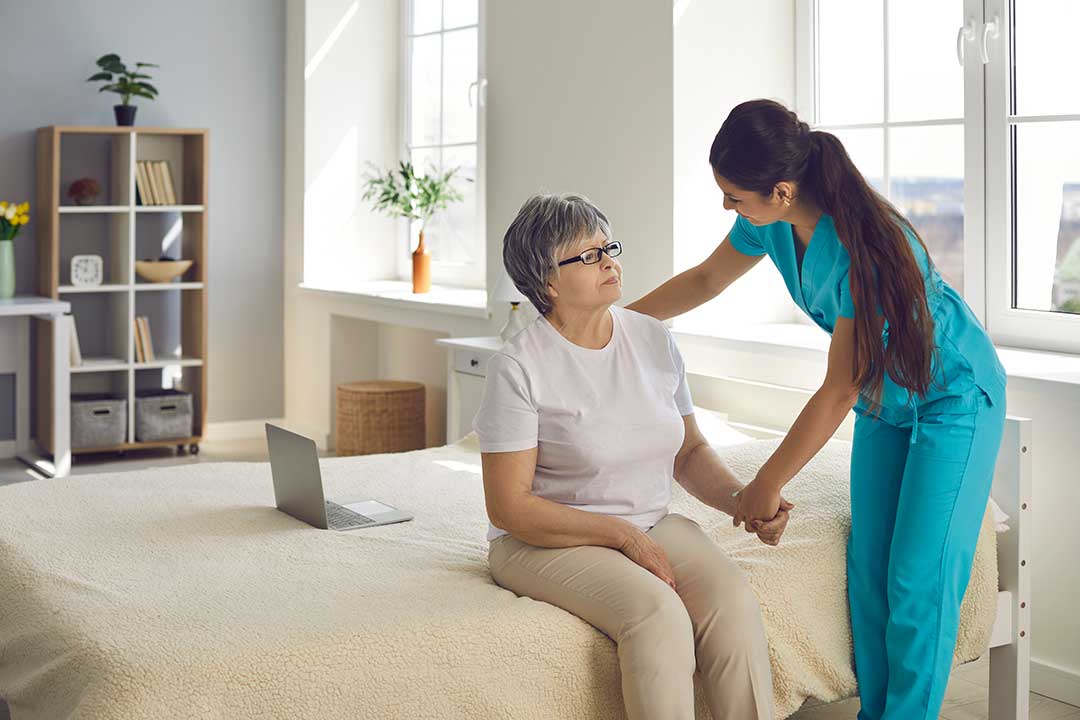
Assisted living sits in the “middle” of this spectrum—offering a balance between independence, socialization, and support that makes it an ideal option for many seniors in Scranton.
Ways to Pay for Assisted Living in Scranton
Covering assisted living expenses in Scranton typically involves a combination of personal savings, retirement income, and family contributions. Here are the most common payment sources:
- Private savings and investments
- Social Security or pension income
- Long-term care insurance
- Veterans’ benefits: Qualified veterans or their surviving spouses may be eligible for the VA Aid and Attendance benefit, which can help offset costs.
- Medicaid: Pennsylvania’s Medicaid program may offer assistance to eligible seniors based on income and care needs, although coverage for assisted living is limited compared to nursing care.
It’s advisable to speak with a local senior living advisor, elder law attorney, or financial planner familiar with the Scranton area’s specific regulations and opportunities.
The Scranton Lifestyle: Added Value
Assisted living in Scranton offers unique value beyond basic care. The region’s strong sense of community, access to Pennsylvania’s scenic Pocono Mountains, local festivals, farmers markets, and vibrant downtown culture mean residents can remain actively engaged. Many communities in Scranton partner with local groups for intergenerational events, volunteer work, and cultural experiences, all of which enhance senior well-being.
Questions to Ask When Touring an Assisted Living Community
When visiting potential assisted living communities in Scranton, consider asking these essential questions:
- What exactly is included in the monthly fee?
- Are there levels of care, and how are fees adjusted if care needs change?
- How is medical support managed?
- What transportation options are available, and are trips to area attractions included?
- How are meals planned, and can they accommodate specific dietary needs?
- What is the staff-to-resident ratio?
Conclusion: Making an Informed Choice in Scranton
Understanding how much assisted living costs—and what’s included—empowers families to make informed, confident decisions. In Scranton, assisted living communities deliver not just personal care, but also an enriching environment that supports social, emotional, and physical health. By breaking down costs and asking the right questions, you can find a supportive community that feels like home in the heart of Northeast Pennsylvania.
