

Transitioning from living independently at home to moving into an assisted living community is a significant life change—one that often comes with many questions, mixed emotions, and practical considerations. If you or a loved one are considering this step in Scranton, PA, knowing what to expect can bring comfort and help ensure a smooth process. Let’s explore what the transition looks like, how to prepare, and what daily life in Scranton’s assisted living communities truly offers.
Why Consider Assisted Living in Scranton, PA?
With its friendly neighborhoods, scenic parks like Nay Aug, strong sense of community, and historic charm, Scranton is a wonderful place to age gracefully. Local assisted living communities not only offer essential support, but also allow residents to remain part of Scranton’s distinct culture. Whether you're drawn to vibrant downtown activities, church gatherings, or a quiet coffee at a Green Ridge café, Scranton’s assisted living options are designed to support and integrate seniors into the local lifestyle.
When Is It Time to Consider Assisted Living?
It's common to feel unsure about when to make such a transition. Typically, signs that it might be the right time include:
- Increased difficulty with daily activities (bathing, dressing, medication management)
- Concerns over safety or risk of falls
- Growing isolation or loneliness
- Family caregivers feeling overwhelmed
- More frequent health issues or emergency incidents
Remember, moving to assisted living is not about giving up independence—it’s about gaining the right amount of support to maintain quality of life in a safe, social, and healthy environment.
How to Prepare Emotionally and Practically
Moving can be emotional. Seniors and their families often experience anxiety, uncertainty, or even guilt about the change. Here are ways to prepare:
- Open Conversations: Talk honestly with loved ones about the reasons for the move, expectations, and concerns.
- Visit Communities: Touring local Scranton assisted living communities can ease fears. Many offer open houses and trial stays—try an afternoon bingo game or Sunday lunch.
- Downsizing with Dignity: Letting go of possessions can be tough. Start early, choose favorite items, and gift keepsakes to family or friends.
- Personalize the New Space: Decorate the new room or apartment with familiar family photos, favorite chairs, or cherished memorabilia from Scranton spots.
- Leverage Support Groups: Scranton has local senior centers and churches offering transition support groups; these can help process emotions and build connections before moving.
What Happens on Move-In Day?
Knowing what to expect on moving day can reduce stress:
- Arrival and Welcome: A staff member will meet you, explain daily routines, and introduce key community areas—the dining room, common areas, and activity spaces.
- Settling In: Family members are encouraged to help arrange the new space, making it feel just like home.
- Meeting Neighbors: Many Scranton communities foster a “buddy” system to help new residents adjust. Introductions with neighbors can spark friendships over Scranton RailRiders baseball games or trips to the Electric City Aquarium.
- Care Plan Review: Nurses and care staff will review the initial care plan and medications to ensure a seamless health support transition.
What Is Daily Life Like in Scranton Assisted Living?
One key benefit of Scranton’s assisted living communities is their commitment to helping residents remain active and connected:
- Local Activities: Residents can enjoy crafts, movie nights, faith services, guest lectures, and music—often featuring local Scranton talent. Pet therapy is also a big hit in many facilities.
- Outings and Events: Outings to the Steamtown National Historic Site or Nay Aug Park, shopping trips, and Scranton St. Patrick's Parade festivities are a regular part of community life.
- Dining: Menus often reflect local Pennsylvania Dutch flavors, comfort foods, and personal preferences, with flexible dining hours and the chance to share meals with new friends.
- Family and Community Involvement: Many communities host family days and encourage local school visits or volunteer engagement, helping everyone stay connected to Scranton’s wider circle.
What Does Assisted Living Provide? What Does It Not?
Assisted living is designed for those who want to remain as independent as possible but need a little help. Services typically include:
- Private or semi-private apartments
- Meals, housekeeping, and laundry
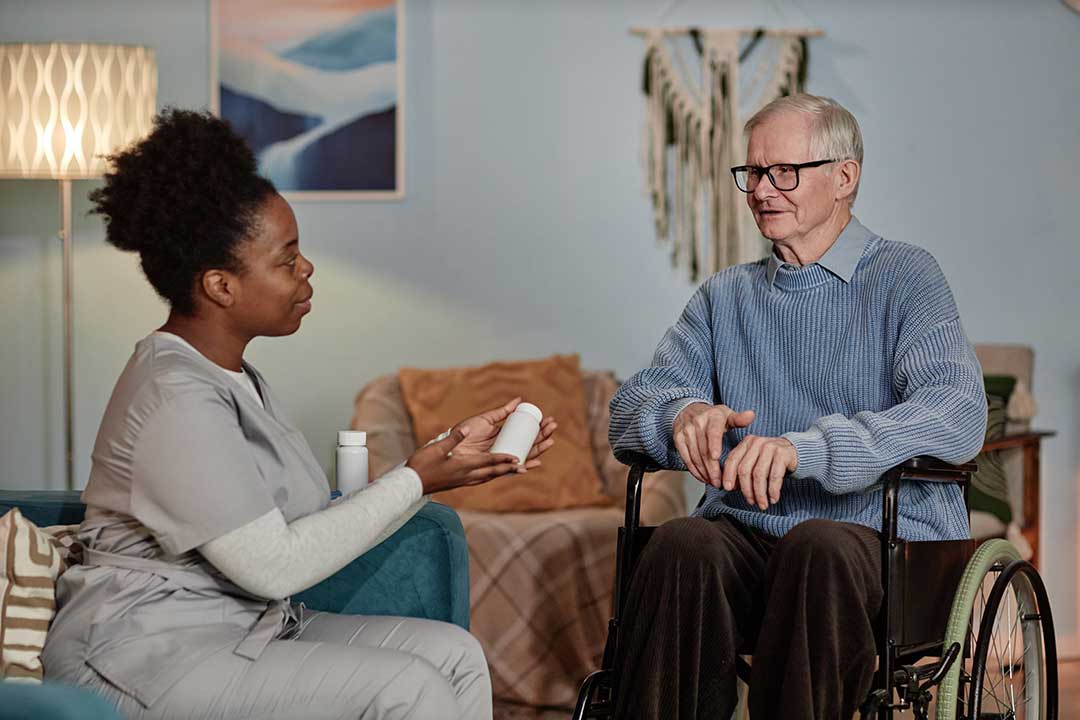
- Medication management and basic health monitoring
- Help with daily activities (dressing, bathing, etc.)
- Security and emergency response systems
- Social and recreational activities
It’s important to note that assisted living is not the same as a nursing home. Most Scranton facilities do not provide 24/7 skilled medical care or extensive rehabilitation services. If a resident’s health needs increase over time, staff will help coordinate with higher-level care providers.
Tips for a Smooth Transition
For the best experience:
- Stay Involved: Encourage family to visit frequently, especially in the first few weeks.
- Participate: Joining activities or taking up new hobbies can quickly turn a new place into a true home.
- Ask Questions: The staff is there to help. Don’t hesitate to ask for help or clarification about routines, meals, or care.
- Connect Locally: Maintain connections to familiar Scranton places—continue attending church, supporting the RailRiders, or greeting neighbors at favorite hangouts.
Final Thoughts
Moving to assisted living in Scranton, PA, is not a loss of independence—it’s the start of a new chapter filled with opportunity, support, and community. With thoughtful preparation, an open mind, and the welcoming spirit characteristic of Scranton, the transition can be smooth and rewarding for everyone involved.
If you need help starting the conversation or would like information specific to Scranton’s assisted living options, there are local resources and professionals ready to guide your journey.
