
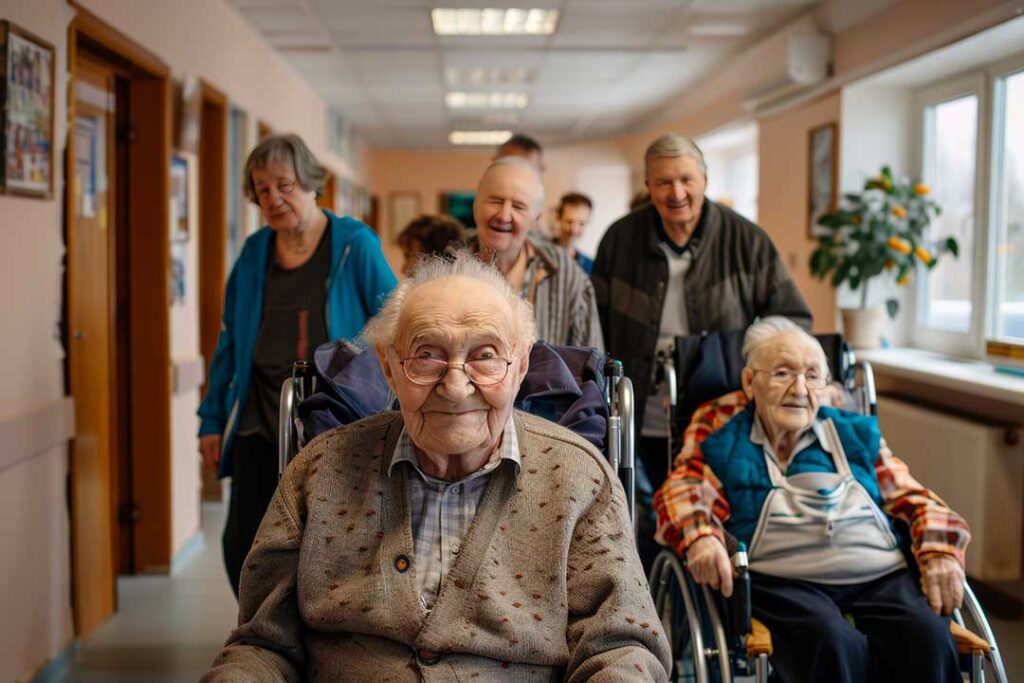
What Does Each Day Look Like for Residents in Assisted Living?
A typical day in assisted living involves structured routines while preserving personal choice. Residents start mornings with assistance as needed—like support with dressing or medication—before heading to common areas for meals or activities. While every person’s schedule is different, a blend of support, autonomy, and social opportunities shapes daily life in these communities.
How Are Meals and Nutrition Managed?
Residents receive three daily meals in communal dining rooms, prepared with attention to nutritional needs and dietary preferences. Local cooks often draw on familiar Pennsylvania favorites and accommodate requests. Meal times are typically consistent, encouraging social interaction:
- Breakfast is usually served early, but some communities offer flexible hours
- Lunch is provided midday, often with a choice of entrees
- Dinner rounds out the day, sometimes including special themed nights or holiday fare
Snacks, drinks, and alternatives for those with medical dietary restrictions are generally available. Food allergies and health conditions are considered in menu planning.
What Types of Activities Fill the Day?
Programs are designed to match different interests and abilities, aiming to keep residents engaged, physically active, and intellectually stimulated. Typical weekday offerings include:
- Exercise classes (gentle yoga, stretching, chair aerobics)
- Book groups or current events discussions
- Arts and crafts sessions
- Games—bingo, cards, puzzles
- Movies, music, or live entertainment
Seasonal activities in Scranton may reflect the climate, such as gardening in spring or fall foliage viewing walks. Many residents also enjoy spending quiet time outdoors in secure courtyards or garden areas, especially on mild days common in northeast Pennsylvania.
How Is Medical and Personal Assistance Provided?
Staff are available around the clock to assist with daily needs, while encouraging independence. Most residents need help with some level of dressing, bathing, or medication management.
Care is customized—some may just need a reminder for medications, while others require hands-on support for personal hygiene or mobility. Scheduled health checks, on-site nurse consultations, and physical therapy visits are part of routine support.
Scranton residents also benefit from the region’s established network of nearby hospitals and pharmacies, making medical coordination relatively seamless.
What Options Exist for Recreation and Socialization?
Social life in assisted living can be as full as the resident desires. Many find new friends through group meals, hobby clubs, or special interest meetups. Common areas allow easy mingling, and shared experiences—like celebrating local cultural traditions or group outings to community events—help foster a sense of belonging.
Privacy is also respected; residents can take part as much or as little as suits their comfort.
How Do Transportation and Outings Work?
Transportation is coordinated for both essential appointments and leisure, reflecting the car-dependent layout of much of Scranton. Vans or accessible vehicles are used for:
- Doctor or therapy visits
- Pharmacy runs
- Grocery or shopping trips
- Group outings, such as local museums, seasonal fairs, or parks
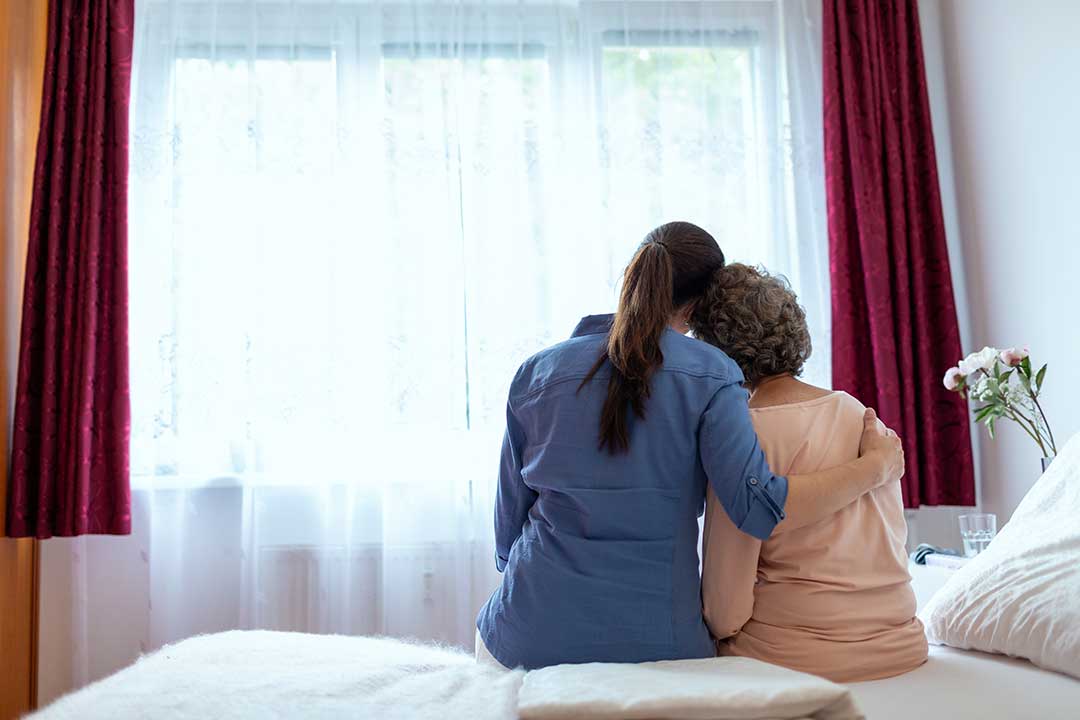
During harsh winter conditions, trips may be rescheduled for safety, and indoor activities are emphasized.
Are Family Visits and Connections Supported?
Regular visits from family, friends, and loved ones are encouraged. Visiting hours are usually generous, though adjusted during peak illness seasons for safety. Many communities offer private gathering rooms or outdoor spaces where families can celebrate milestones or enjoy meals together.
In recent years, technology—like video calls—has become a more common way for local households to stay connected if traveling to the facility is a challenge.
What Is the Role of Personal Space and Privacy?
Every resident has their own living area, ranging from private studios to one-bedroom apartments. Personalizing these spaces with familiar belongings offers comfort and continuity. Residents control how much time they spend in their rooms versus shared areas.
Staff always knock before entering, and privacy is a core part of respectful care. The balance between assistance and autonomy is maintained through open communication about preferences.
How Is Safety Maintained?
Communities are designed for both comfort and security. Key features often include:
- Emergency call systems in living spaces and bathrooms
- Secure entrances and guest sign-in procedures
- Grab bars, non-slip flooring, and wide hallways for mobility aids
During winter, local staff pay special attention to clearing walkways and monitoring for icy conditions, a reality in Scranton’s cold season.
What Community Traditions and Local Influences Shape Daily Life?
Life in assisted living reflects the area’s culture and climate. For example:
- Celebrations around local holidays, seasonal festivals, or local history
- Decor and menu items highlighting Pennsylvania tastes and traditions
- Activities adapted to changing weather—sledding days or pumpkin carving in autumn, indoor crafts in winter
Residents often share memories of growing up in the area, which strengthens community ties and makes the setting feel like home.
