
Choosing assisted living involves more than touring a clean building or reviewing a monthly fee. Quality care is reflected in everyday details: how staff speak with residents, how reliably help is provided, how concerns are handled, and whether the setting supports dignity and independence.
For families in Scranton, seasonal conditions also matter. Snow, freezing temperatures, power interruptions, and shorter winter days can affect transportation, outdoor activities, emergency planning, and access to appointments. These practical issues belong in any careful evaluation.
What does quality care look like in assisted living?
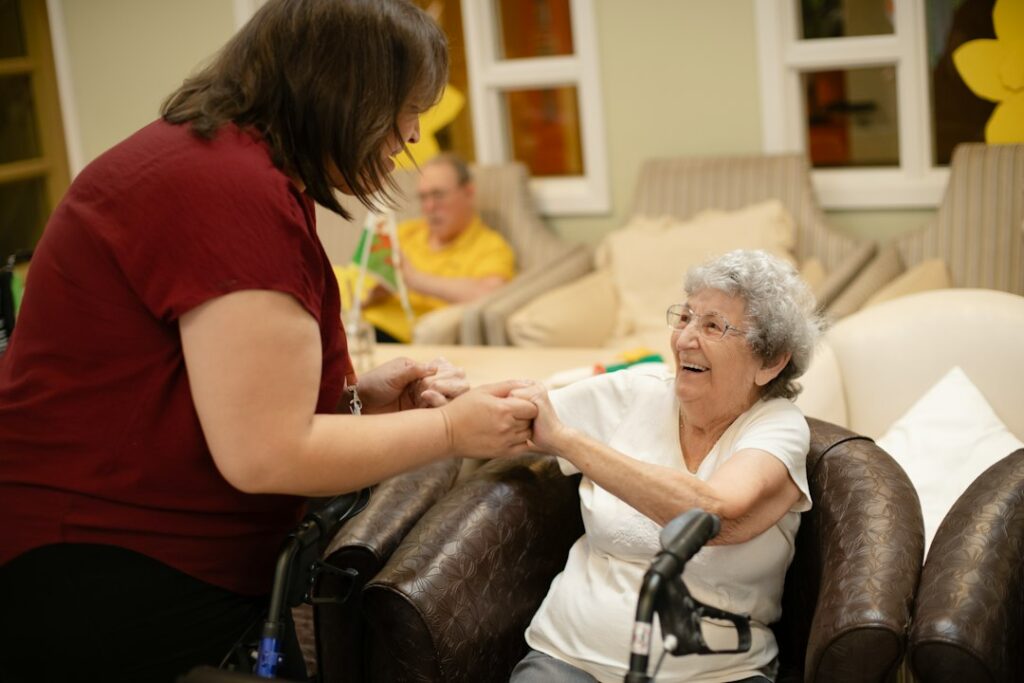
Quality care means residents receive the right level of help while retaining as much choice, privacy, and control as possible. Staff should assist with daily activities without treating adults as helpless or making decisions for them unnecessarily.
During a visit, notice whether residents appear clean, comfortable, and appropriately dressed for the weather. Also observe whether staff knock before entering rooms, explain what they are doing, and address residents by name.
Strong care often includes:
- Assistance with bathing, dressing, grooming, mobility, and toileting based on each resident’s needs
- Respect for personal routines, cultural practices, food preferences, and sleep schedules
- Prompt responses to requests for help
- Clear communication with residents and designated family members
- Opportunities for residents to make everyday choices
- Protection from neglect, intimidation, abuse, exploitation, and unnecessary isolation
A polished lobby cannot compensate for staff who ignore call systems, rush personal care, or speak about residents as though they are not present.
How can families evaluate staffing and responsiveness?
Staffing quality is not measured only by the number of employees listed on paper. The more useful question is whether enough trained staff are available at the times residents need help most.
Ask how the residence handles mornings, evenings, weekends, medication times, and overnight needs. A residence may feel adequately staffed during a scheduled tour but operate differently during a busy shift.
Questions worth asking include:
- Who helps residents overnight?
- How are call buttons or emergency alerts answered?
- What happens when several residents need assistance at once?
- How does the residence cover illness, vacations, or unexpected absences?
- What training do staff receive before working independently?
- How are new or changing care needs communicated between shifts?
Listen for specific answers rather than general assurances. A clear explanation of coverage, supervision, and backup procedures is more useful than a statement that staffing is “excellent.”
What should residents expect from care planning?
A quality residence uses an individualized service plan that reflects the resident’s abilities, health needs, preferences, and safety concerns. The plan should be updated when circumstances change, such as after a fall, hospitalization, medication adjustment, or decline in mobility.
Families should ask how often care plans are reviewed and who participates in those discussions. The resident should be included whenever possible, along with the legally authorized representative or designated family member when appropriate.
Care planning should address more than basic personal care. It may include:
- Medication assistance and communication with prescribers
- Fall prevention and mobility support
- Dementia-related supervision, if needed
- Dietary needs, allergies, and swallowing concerns
- Transportation or accompaniment to medical appointments
- Emergency contacts and evacuation needs
- Preferences for bathing, meals, activities, and daily routines
A useful plan is specific. “Needs assistance” is less informative than a description of what assistance is required, when it is needed, and how the resident prefers to receive it.
How important are meals, cleanliness, and the physical environment?
The physical setting should support safety, comfort, and independence. Look beyond decorations and examine whether hallways are clear, lighting is adequate, floors are dry, and handrails are available where needed.
In a region that experiences icy weather and heavy snow, ask how entrances, walkways, ramps, and parking areas are maintained during winter conditions. Also ask how the residence handles heating problems, severe storms, power outages, and canceled transportation.
Meals provide another window into care quality. Ask whether residents can choose among options, request substitutions, and receive help if eating is difficult. Notice whether meals look appealing and whether staff monitor residents who need assistance with eating or drinking.
Cleanliness should be consistent in resident rooms, bathrooms, dining areas, elevators, and shared spaces. Occasional clutter is different from persistent odors, overflowing waste, stained linens, or poorly maintained bathrooms.
Do residents have meaningful choices and activities?
Quality care includes more than keeping residents safe. It should also support social connection, purpose, and personal interests.
Activities do not need to be elaborate. Reading groups, music, crafts, exercise, religious observance, gardening, card games, and time outdoors may all be meaningful, depending on residents’ preferences and abilities.

Ask whether residents may decline activities without pressure and whether alternatives exist for people who prefer quiet time. A full calendar is not automatically a sign of quality if residents have little choice in what they do.
Observe whether residents interact naturally with one another or spend long periods alone in hallways or common rooms. Also ask how the residence supports residents who have hearing, vision, memory, or mobility limitations.
What rights and complaint procedures should be in place?
Pennsylvania assisted living residences and personal care homes must be licensed and follow state requirements related to resident health, safety, services, staffing, training, and living conditions. Residents also have rights involving dignity, privacy, communication, possessions, and freedom from abuse, neglect, exploitation, and involuntary seclusion.
A quality residence explains these rights in understandable language. Residents and families should know whom to approach with a concern, how complaints are documented, and how the residence responds.
Ask:
- Is there a written grievance procedure?
- Who receives complaints when the concern involves a direct supervisor?
- How are residents informed about the outcome?
- Can residents and families review the residency agreement and care policies?
- How are changes in fees, rules, or services communicated?
A residence should not discourage reasonable questions or imply that raising a concern will affect a resident’s treatment.
What warning signs should families take seriously?
No residence operates perfectly every day, but repeated patterns deserve attention. Warning signs may include:
- Residents appearing unwashed, unsupervised, or consistently distressed
- Staff avoiding questions about care, staffing, fees, or complaints
- Strong odors, unsafe clutter, poor lighting, or inaccessible bathrooms
- Frequent unanswered call buttons or delayed assistance
- Medication errors that are minimized rather than investigated
- Care plans that do not match the resident’s current needs
- Family members receiving little information after falls, injuries, or major changes
- Pressure to sign documents before reviewing them
- Residents being discouraged from speaking privately with visitors or advocates
Families should compare what they are told with what they observe. Visiting at different times, including an evening or weekend when possible, can provide a more realistic picture of daily operations.
How can families compare residences fairly?
Use the same questions for every residence and write down specific answers. Review the license status, residency agreement, service fees, discharge policies, medication procedures, transportation arrangements, and emergency plans before making a decision.
The best choice is not necessarily the newest building or the residence with the longest activity calendar. Quality is better judged by consistent, respectful care that matches the resident’s actual needs and preserves personal dignity.
If a serious health or safety concern cannot be resolved through the residence’s complaint process, Pennsylvania provides a process for reporting concerns about licensed personal care homes and assisted living residences to the state licensing authority. Immediate danger, suspected abuse, or a medical emergency requires prompt action through the appropriate emergency or protective service system.
