
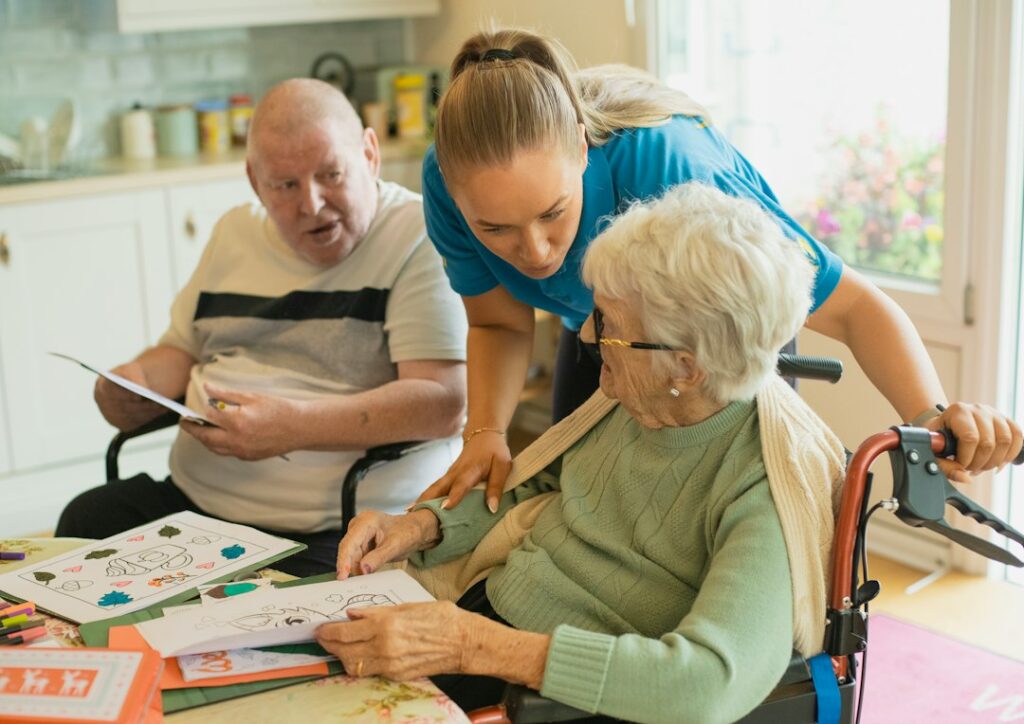
Moving to assisted living can bring relief, worry, sadness, and uncertainty at the same time. For many older adults, the hardest part is not learning the building or daily schedule. It is adjusting to a new home, new routines, unfamiliar faces, and a different level of independence.
Families can make the transition easier by preparing carefully, listening without dismissing concerns, and allowing time for the older adult to build a sense of belonging.
Why does assisted living feel difficult at first?
The first few weeks may feel disruptive because an older adult is adapting to several changes at once. Personal routines may shift, meals may be taken at different times, and ordinary decisions—such as when to rest, socialize, or go outdoors—may now happen within a shared setting.
Common reactions include:
- Missing a former home, neighborhood, pets, or familiar belongings
- Feeling embarrassed about needing help with bathing, medication, mobility, or meals
- Worrying about losing privacy or control
- Feeling overwhelmed by noise, schedules, or many new people
- Becoming quieter, irritable, tearful, or less interested in activities
- Comparing the new setting with home and focusing mainly on what feels different
These reactions do not automatically mean the move was a mistake. Adjustment often happens gradually rather than immediately. A senior may need several weeks or longer before the new residence begins to feel familiar.
How can families prepare before the move?
Preparation should focus on both practical details and emotional readiness. If possible, involve the older adult in decisions about room arrangement, clothing, daily habits, and which belongings will come along.
A useful preparation plan may include:
- Visiting the residence more than once before moving day
- Asking about typical meal times, activity schedules, quiet hours, and outdoor access
- Measuring the room before bringing furniture
- Labeling clothing and personal items
- Creating a simple list of medications, allergies, medical contacts, and preferred routines
- Discussing what the older adult is looking forward to and what feels frightening
- Explaining the move honestly without making promises about details that cannot be guaranteed
Familiar objects can make an unfamiliar room feel more personal. Photographs, a favorite chair, a familiar blanket, a small clock, books, artwork, or music may provide comfort. Too many possessions, however, can create clutter or safety concerns, especially if walking is difficult.
For households in Scranton, PA, seasonal planning can also help. Winter coats, sturdy footwear, gloves, and clothing suitable for changing temperatures should be easy to reach. If outdoor conditions limit time outside, identify indoor activities that provide movement, social contact, and mental stimulation.
What should families do during the first few weeks?
Frequent, calm contact is usually more helpful than trying to solve every problem during each visit. A short visit that ends positively may be easier than a long visit filled with frustration.
During early visits:
- Ask open questions such as “What part of today felt easiest?” rather than “Are you happy here?”
- Listen before offering solutions.
- Acknowledge difficult feelings without arguing.
- Bring one familiar activity, such as sorting photographs, listening to music, or watching a favorite program.
- Help the older adult learn one or two landmarks, such as the dining room, activity area, or outdoor sitting space.
- Keep visits predictable when possible.
Some older adults benefit from a regular visiting schedule. Others become more upset when family members leave. The right approach depends on the individual. If visits consistently lead to distress, discuss timing and length with staff and consider whether phone calls, video calls, cards, or brief check-ins would be better for a period of time.
Avoid making every visit an inspection. Checking safety and care is appropriate, but repeatedly pointing out differences, criticizing the residence, or asking whether the person wants to leave may increase anxiety.
How can a senior maintain independence?
Assisted living should not mean giving up every personal choice. Independence can continue through ordinary decisions and meaningful responsibilities, even when physical assistance is needed.
Offer choices that are realistic and manageable:
- Which shirt to wear
- Whether to eat in the dining room or a quieter area, if options are available
- Which activity to try
- When to call family
- Where to place personal items
- Whether to participate in a group or spend time privately
A person who cannot safely manage all medications may still be able to choose clothing, organize photographs, water a plant, fold towels, or help select music. These activities are valuable because they support identity and purpose.
Family members should avoid taking over tasks simply because they can do them faster. Allowing extra time for safe, appropriate participation can protect confidence.
How can seniors make friends without feeling pressured?
Social adjustment often begins with repeated, low-pressure contact rather than immediate participation in large groups. A senior may first feel comfortable sitting near an activity, having coffee with one person, or speaking with the same staff member each day.
Helpful approaches include:
- Starting with familiar interests such as music, gardening, crafts, cards, reading, or current events
- Choosing smaller activities when large groups feel overwhelming
- Sitting near the same people during meals
- Introducing the older adult to one neighbor at a time
- Asking staff about activities suited to hearing, vision, mobility, or memory needs
- Recognizing that quiet participation still counts as involvement

A senior does not need to attend every activity or become highly social to adjust successfully. Feeling comfortable with one or two people may be enough.
What if the older adult refuses activities or wants to move back home?
Resistance should be taken seriously, but it should also be examined carefully. “I want to go home” may mean the person misses a spouse, feels lonely, dislikes the food, is tired, is confused, or is experiencing pain or illness.
Ask when the feeling is strongest and look for patterns. Concerns may relate to:
- Poor sleep
- Constipation, pain, dehydration, or infection
- Hearing or vision problems
- Medication side effects
- Difficulty finding the bathroom or dining room
- Fear of falling
- Feeling rushed during personal care
- Depression, anxiety, or worsening memory problems
A sudden change in behavior deserves prompt attention from the care team and, when appropriate, a medical evaluation. New confusion, unusual drowsiness, falls, refusal to eat or drink, or sudden agitation should not be treated as ordinary adjustment without further review.
If the concern is a preference rather than a health problem, ask whether a small change could help. A different seating location, quieter meal time, modified activity, or more familiar morning routine may make the day easier.
How should families work with staff?
Clear, respectful communication helps staff understand the person behind the care needs. Share information about the older adult’s routines, personality, cultural or household habits, communication style, fears, and calming strategies.
Useful information may include:
- Preferred name and daily schedule
- Foods enjoyed or avoided
- Signs of fatigue, pain, anxiety, or confusion
- Past interests and meaningful life experiences
- What usually helps after a difficult moment
- Mobility concerns and fall risks
- Important family traditions or routines
Ask for specific observations rather than general reassurance. Questions such as “How is breakfast going?” or “Does the person join any activities?” can produce more useful information than “Is everything okay?”
Families should also keep expectations realistic. Adjustment does not require constant happiness. A senior may still miss home while becoming safer, more comfortable, and more connected in the new setting.
When should families seek additional help?
Persistent sadness, withdrawal, fear, anger, sleep disruption, appetite changes, or loss of interest should be discussed with the care team. These signs may reflect depression, anxiety, dementia-related changes, medication concerns, or an unmet care need rather than simple homesickness.
Extra support may be needed when an older adult:
- Repeatedly tries to leave unsafely
- Refuses essential medications, food, or fluids
- Has frequent falls or nighttime wandering
- Shows sudden confusion or major personality changes
- Appears consistently frightened or neglected
- Cannot explain why basic needs are not being met
The goal is not to force an older adult to enjoy assisted living. The goal is to help create safety, dignity, familiarity, meaningful choice, and dependable human connection. With time and careful attention, many seniors develop routines that feel like their own and begin to recognize the new residence as home.
